
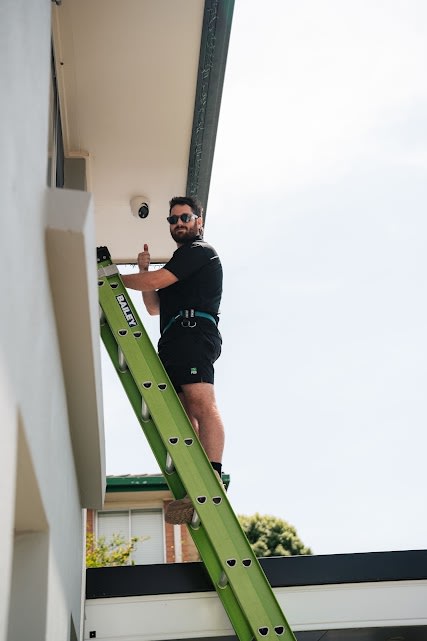
Installing security cameras around your property can help you monitor important areas, identify unusual activity and improve overall home security. However, choosing the right equipment is only part of the process. Camera placement also determines how effectively your system captures activity around entrances, driveways, outdoor spaces and other vulnerable areas.
For Brisbane homeowners, planning a suitable CCTV installation means considering the property's layout, lighting conditions, camera angles and available power or network connections. Poorly positioned cameras may leave important areas unmonitored or produce footage that is difficult to use.
At Spanos ElectriCool, we provide residential security camera installation services designed around individual property requirements. Understanding where cameras should be positioned can help you make informed decisions before arranging an installation.
1. Front Door and Main Entrance
Your front entrance is one of the most important locations to monitor because visitors, delivery drivers and other people commonly approach your property through this area. A camera positioned correctly can capture activity around the doorway and provide useful footage of arrivals and departures.
Best Camera Placement for Front Entrances
Install a camera above or beside the main entrance, positioned to capture the approach and doorway without creating excessive blind spots. The camera should provide a clear view of faces while avoiding direct exposure to bright sunlight where possible.
Consider these placement points:
- Position the camera above the entrance at a suitable height.
- Capture the pathway leading towards the front door.
- Check that the door frame or porch does not obstruct the view.
- Consider night vision for recording after dark.
- Ensure visitors can be identified without relying entirely on wide-angle footage.
A well-planned CCTV installation can help homeowners monitor their main entrance while maintaining a useful viewing angle.
2. Driveway and Garage Entrance
Driveways and garage entrances are important areas to monitor because vehicles, tools and other valuable belongings are commonly stored there. These locations may also provide access to the house, making them useful areas for security monitoring.
Positioning Cameras Around Vehicles and Garage Doors
Place a camera where it can capture vehicles entering and leaving the driveway. If your garage has a separate pedestrian entrance, consider whether another camera is needed to monitor that access point.
For effective coverage:
- Position cameras to capture the driveway entrance.
- Avoid placing cameras where parked vehicles block the view.
- Consider infrared or night vision for low-light conditions.
- Check that the camera can capture activity near the garage door.
- Consider a wider viewing angle for larger driveways.
Homeowners arranging Brisbane CCTV installation should consider driveway dimensions, lighting and the number of access points before deciding how many cameras are required.
3. Backyard and Outdoor Entertainment Areas
Backyards can contain valuable outdoor equipment, gardening tools, furniture and recreational items. They may also include sliding doors, outdoor kitchens or other access points that connect directly to the home.
Monitoring Backyard Access Points
Position cameras to monitor the main backyard entry points and areas where valuable belongings are stored. If your property has a large outdoor entertainment area, you may need more than one camera to cover different sections.
When planning camera placement, consider:
- Sliding doors and rear entrances.
- Outdoor storage sheds.
- Swimming pool surroundings.
- Patio and entertainment areas.
- Side access between the house and boundary fence.
A suitable CCTV installation service can help determine the camera positions needed to cover these areas without unnecessary overlap.
4. Side Pathways and Property Boundaries
Side pathways are sometimes overlooked when homeowners plan their security systems. However, these narrow spaces may connect the front yard to the backyard and provide access to less visible parts of the property.
Reducing Blind Spots Along Side Access Areas
Install cameras where they can monitor movement along side pathways and secondary gates. The viewing angle should cover the pathway without being obstructed by fences, trees or outdoor equipment.
For narrow spaces, a camera with an appropriate field of view may provide better coverage than a wide-angle device positioned too far away.
During a CCTV cameras installation in Brisbane project, reviewing these less visible areas can help create a more complete monitoring layout. Camera positioning should also respect neighbouring properties' privacy.
5. Windows and Other Ground-Level Access Points
Ground-level windows can provide another point of entry into a property. Large windows, sliding doors and windows facing secluded outdoor areas may deserve additional attention when planning a residential security system.
Choosing Suitable Camera Angles
Position cameras to monitor the external approach to vulnerable windows rather than pointing them directly into private indoor spaces. The objective is to capture activity around the property's exterior.
Consider the following:
- Windows facing poorly lit outdoor areas.
- Sliding glass doors opening onto patios.
- Windows located near side pathways.
- Ground-level openings with limited visibility from the street.
An experienced installer can assess these areas and recommend suitable equipment. A carefully planned Brisbane CCTV installation can help improve visibility around multiple access points without installing cameras unnecessarily.
6. Front Yard, Gates and Fences
Your front yard and boundary gates help define the areas people must pass through before reaching your home. Monitoring these locations can provide additional information about movement around the property.
Covering Entry Points and Boundary Areas
Position cameras to capture activity near pedestrian gates, front fences and other accessible entry points. For larger properties, multiple cameras may be needed to cover separate approaches.
Before installation, consider the distance between the camera and the area being monitored. A camera positioned too far away may record general movement without capturing enough detail for identification.
7. Indoor Common Areas and Main Access Routes
Some homeowners also choose to install cameras inside their properties. Indoor cameras can provide additional visibility around common areas and entrances, particularly when the house is unoccupied.
Selecting Appropriate Indoor Locations
Common areas such as entrance hallways and shared living spaces may be suitable locations, depending on household requirements. Cameras should be positioned to monitor movement without unnecessarily recording private activities.
Avoid installing cameras in bedrooms, bathrooms or other private spaces. If family members, visitors or household workers may be recorded, consider their privacy and make appropriate arrangements.
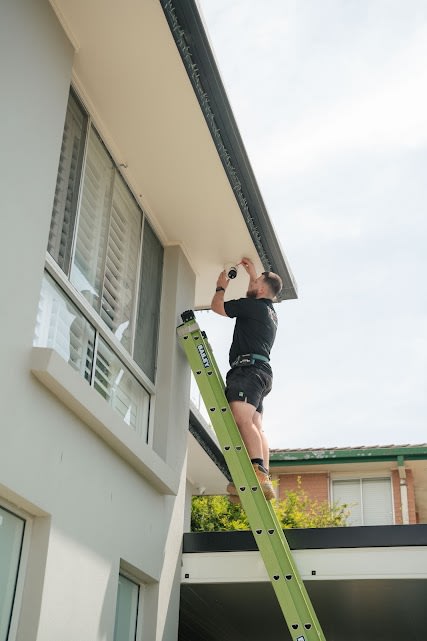
What Should You Consider Before Installing Security Cameras?
Choosing camera locations is only one part of planning a reliable security system. The equipment must also suit the property's environment, network coverage and monitoring requirements.
Camera Quality and Night Vision
Camera resolution affects the amount of detail captured in recorded footage. Higher-definition cameras can provide clearer images, although the actual results also depend on lighting, positioning and viewing distance.
Infrared and night vision features are useful for monitoring outdoor spaces after dark. Check the camera's low-light capabilities before choosing equipment for poorly illuminated areas.
Wired and Wireless Camera Systems
Wired IP cameras can provide a stable network connection, while wireless systems may offer greater flexibility in certain locations. However, wireless cameras still require suitable power arrangements and reliable Wi-Fi coverage.
Remote Monitoring and Recording
Modern security systems can allow homeowners to view footage through smartphones, tablets and computers. Recording arrangements may include network video recorders (NVRs) or cloud-based storage, depending on the selected equipment.
At Spanos ElectriCool, we provide systems with smartphone and web compatibility, HD cameras, night vision and wired or wireless IP camera configurations.
Why Professional Camera Placement Matters
Although camera placement may appear straightforward, achieving useful coverage requires consideration of viewing angles, installation heights, cable routes and environmental conditions. Poor positioning can create blind spots or reduce the usefulness of recorded footage.
Getting the Installation and Setup Right
A professional installer can assess your property and recommend a suitable camera layout. This includes identifying important access points, checking lighting conditions and considering how the system will connect to recording equipment.
At Spanos ElectriCool, our licensed electricians provide security camera installation for residential and commercial properties. Our Brisbane CCTV installation services include planning, equipment selection, installation and system setup.
We also consider whether your property needs additional cameras, replacement equipment or improvements to an existing system. Our approach is based on the areas you want to monitor and the practical requirements of your property.
Why Choose Spanos ElectriCool for Home CCTV Installation?
Choosing an experienced electrical contractor can help ensure that your security equipment is installed correctly and configured for your property's requirements.
Understanding Your Property's Security Requirements
At Spanos ElectriCool, we work with homeowners to identify important monitoring areas and recommend suitable security camera systems. Our team has more than 20 years of local industry experience and provides licensed and insured electrical services.
Our CCTV services include:
- Residential and commercial camera installation.
- HD security camera systems.
- Infrared and night vision equipment.
- Wired and wireless IP cameras.
- NVR and cloud-based recording systems.
- Smartphone and web-compatible monitoring.
- Replacement and expansion of existing systems.
Whether you need a new CCTV installation service or want to expand your current system, we can assess the property and provide an upfront quotation.
Arrange a CCTV Installation Assessment for Your Home
The right camera placement depends on your property's layout, access points and security requirements. Monitoring entrances, driveways, backyards and side pathways can help reduce blind spots and provide better visibility around your home.
At Spanos ElectriCool, we assess residential properties and recommend suitable camera systems based on the areas that need monitoring. Our team can assist with equipment selection, installation and system setup.
Conclusion
Installing security cameras in the right locations can improve visibility around your home and help you monitor important access points. Front entrances, driveways, garages, backyards and side pathways are useful areas to consider when planning a residential security system.
However, effective monitoring depends on more than the number of cameras installed. Camera quality, lighting, viewing angles, network connectivity and privacy considerations all influence how well the system performs.
At Spanos ElectriCool, we provide residential security camera installation and system setup across Brisbane. Whether you need a new system or want to improve existing camera coverage, our team can help assess your requirements and recommend suitable equipment. If you are considering Brisbane CCTV installation, contact us to discuss your project and request an upfront quotation.
Frequently Asked Questions
Where should I install security cameras around my home?
Important locations include the front entrance, driveway, garage, backyard, side pathways and accessible ground-level windows. The exact positions depend on your property's layout, lighting and areas requiring monitoring.
How many security cameras does a typical home need?
There is no fixed number because every property has different dimensions and access points. Smaller homes may need fewer cameras, while larger properties may require additional devices to monitor separate entrances, driveways and outdoor areas.
Should outdoor security cameras have night vision?
Yes, night vision is useful for monitoring outdoor areas when natural lighting is limited. Infrared cameras can capture footage in darkness, although image quality depends on the camera's specifications, placement and surrounding conditions.
Can I monitor my security cameras from my smartphone?
Yes. Many modern CCTV systems support remote viewing through smartphone applications or web-compatible platforms. Depending on the equipment, homeowners can view live footage and access recordings remotely when the system has a suitable internet connection.
Is professional CCTV installation better than installing cameras myself?
Professional installation can help with camera positioning, cable routing, power connections, network setup and system testing. An experienced installer can also identify blind spots and recommend suitable equipment based on your property's security requirements.
 (1).png)